

Teak outdoor furniture has long been a hallmark of luxury, durability, and timeless design in exterior spaces. From private patios to commercial poolside settings, its presence often signifies an investment in quality and aesthetics. However, like any premium material, teak comes with its own set of advantages and considerations. For professionals and discerning homeowners evaluating their outdoor furnishing options, a thorough examination of the “teak outdoor furniture pros cons” is essential to make an informed decision.
Before diving into the specifics of its advantages and disadvantages, a comprehensive understanding of What Is Teak Outdoor Furniture? Complete Beginner Guide can provide valuable context regarding its origins, properties, and common applications.
The Allure of Teak Outdoor Furniture
Unpacking the Advantages (Pros)
Teak’s reputation is not accidental; it stems from a unique combination of natural properties that make it exceptionally well-suited for outdoor environments.
- Exceptional Durability and Longevity: Teak wood (Tectona grandis) is naturally rich in oils and rubber, providing inherent protection against pests, rot, and decay. This makes teak furniture incredibly resistant to the elements, often lasting for decades, even in harsh weather conditions. Many design professionals and homeowners attest to Why Teak Outdoor Furniture is the Best Choice for Outdoors, particularly due to its exceptional performance in diverse climatic conditions.
- Natural Weather Resistance: The high oil content not only deters pests but also acts as a natural water repellent. Teak expands and contracts minimally, resisting warping, cracking, and splintering even when exposed to fluctuating temperatures and humidity.
- Low Maintenance (Relative): While not entirely maintenance-free, teak requires significantly less care than many other wood types. It can be left outdoors year-round without protection and will naturally weather to a beautiful silver-gray patina. Regular cleaning with soap and water is often sufficient.
- Aesthetic Appeal and Patina: New teak boasts a warm, golden-brown hue that deepens with age. Over time, if left untreated, it develops a distinctive silver-gray patina, a highly sought-after look that blends harmoniously with natural outdoor surroundings. This aged appearance is often considered a mark of authenticity and elegance.
- Investment Value: Due to its longevity and timeless appeal, teak furniture often retains a high resale value. It’s an investment that can span generations, making it a sustainable choice in the long run.
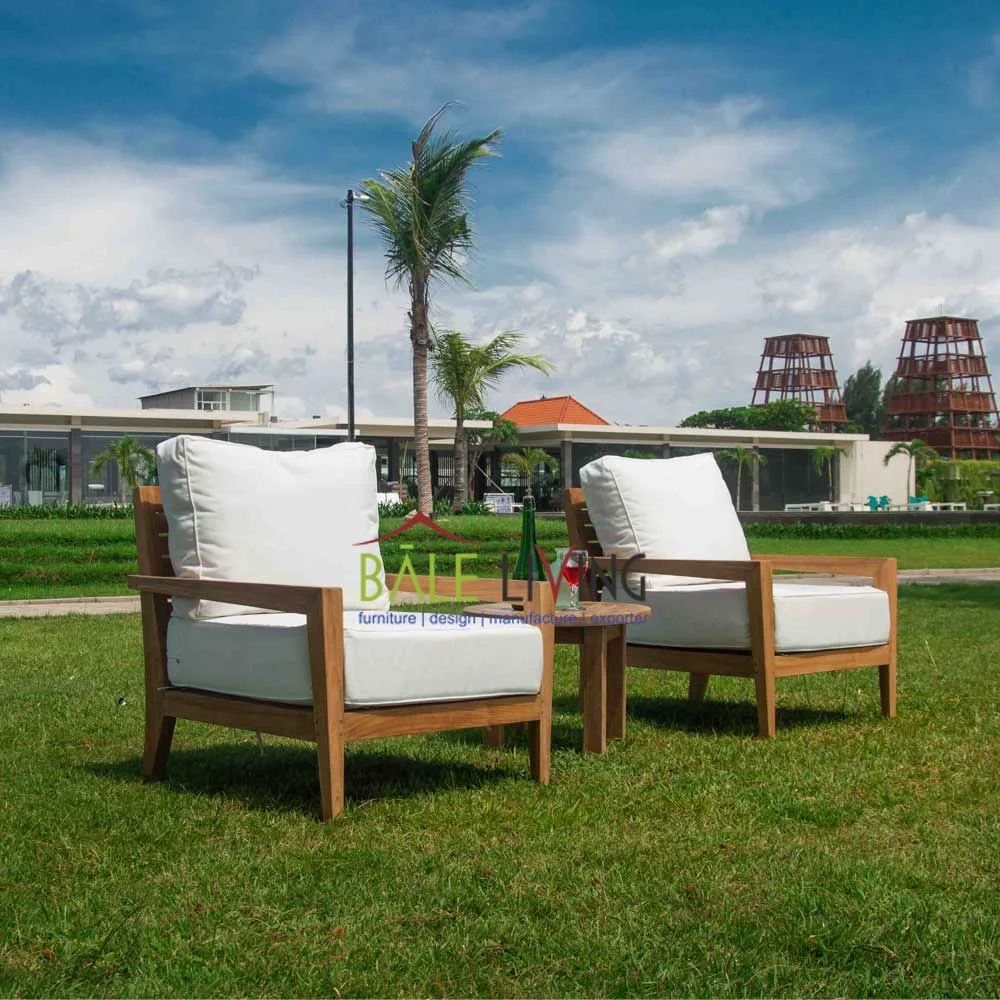
Addressing the Downsides of Teak Outdoor Furniture
Key Disadvantages (Cons)
Despite its many merits, teak outdoor furniture does present certain challenges and considerations that purchasers should be aware of.
- High Initial Cost: The most significant drawback of teak is its premium price point. Sourcing mature, high-quality teak is expensive, reflecting its rarity, slow growth rate, and exceptional properties. This initial investment can be prohibitive for some budgets.
- Color Change (Silver-Gray Patina): While many appreciate the silver-gray patina, some prefer to maintain the original golden-brown color. Achieving this requires regular treatment with teak sealers or oils, adding to the maintenance effort and cost. Without treatment, the color change is inevitable.
- Weight: Teak is a dense, heavy wood. While this contributes to its stability and durability, it can make moving large pieces of furniture challenging. This might be a consideration for those who frequently rearrange their outdoor spaces.
- Sourcing and Sustainability Concerns: Historically, concerns have been raised about the unsustainable harvesting of teak. It is crucial for expert buyers to ensure that any teak furniture purchased comes from responsibly managed, FSC-certified plantations to mitigate environmental impact. The rich tradition of craftsmanship in indonesia furniture, particularly with teak, is renowned globally, making it a key region to consider for ethically sourced products.
- Potential for Mold/Mildew: Although highly resistant, in perpetually damp or shaded environments with poor air circulation, teak can still develop surface mold or mildew. Regular cleaning can prevent this, but it’s a factor to consider for specific placements.
Making an Informed Decision
Ultimately, the decision to invest in teak outdoor furniture hinges on a careful evaluation of these pros and cons against individual priorities and budget. Its unparalleled durability, natural resistance, and aesthetic appeal make it a top contender for those seeking a long-term, high-quality solution for their outdoor living spaces. However, the initial cost and the natural weathering process (or the effort to prevent it) are significant factors to weigh.
For discerning buyers and design professionals, understanding the complete picture of teak’s attributes and drawbacks ensures that expectations are aligned with the reality of owning such a distinguished material. When chosen wisely and cared for appropriately, teak outdoor furniture stands as a testament to enduring beauty and functionality, a true heirloom for any exterior setting.